

Inside the World of Underground Data Bunkers
Drone Strikes Bring New Focus on Hardened Facilities for Mission-Critical Infrastructure

The recent drone strikes on several AWS facilities have sent a jolt through the data center industry, sparking conversation about options for protecting IT facilities in potential conflict zones.
Is going underground an option? The “data bunker” is a specialized niche in the data center sector, which has a history of ultra-secure facilities built to protect against natural disasters or even nuclear strikes.
That said, it’s an expensive solution. It doesn’t work for everyone or in every geography. Most of these projects occupy pre-existing subterranean spaces, including caves, mines and military shelters.
Here’s a look at the history of subterranean data centers, leading examples of these deployments, and the pros and cons of building digital infrastructure underground.
The History of Data Bunkers
The concept of burying critical infrastructure dates to the Cold War, when governments on both sides of the Iron Curtain moved command-and-control systems underground.
The most famous example is probably the U.S. government’s Cheyenne Mountain Complex in Colorado, operational since 1967. Built inside a granite mountain, it was designed to survive a nuclear event and house the computing and communications systems that would keep command-and-control intact after a first strike.
These types of fortresses are difficult and expensive to build. But the mindset behind them has influenced digital infrastructure strategies in several modern war zones, where countries in conflict have shifted command-and-control systems underground.
There’s little public information about these facilities, and that’s by design. But there are numerous commercial “data bunkers” we can examine to learn about the challenges of underground infrastructure.
Bahnhof and the Pionen Bunker
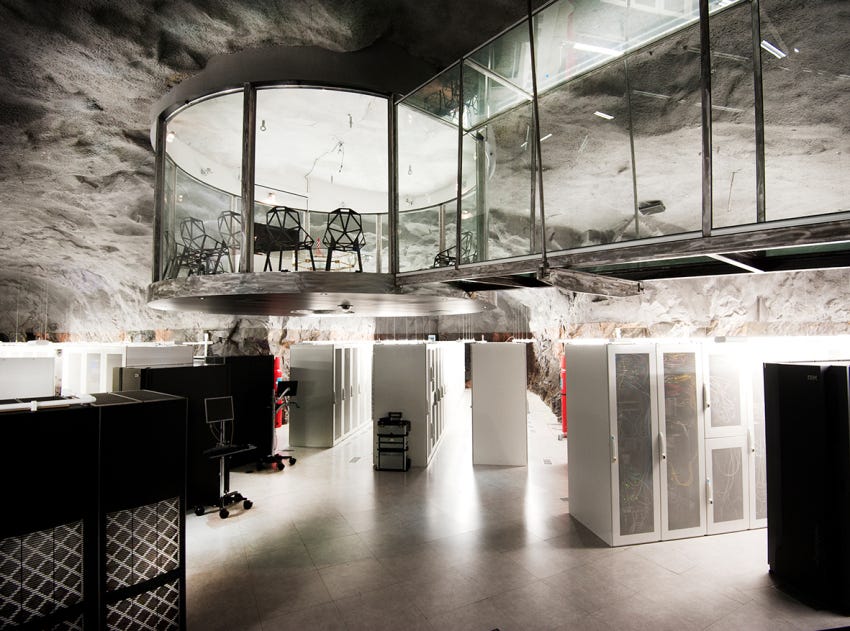
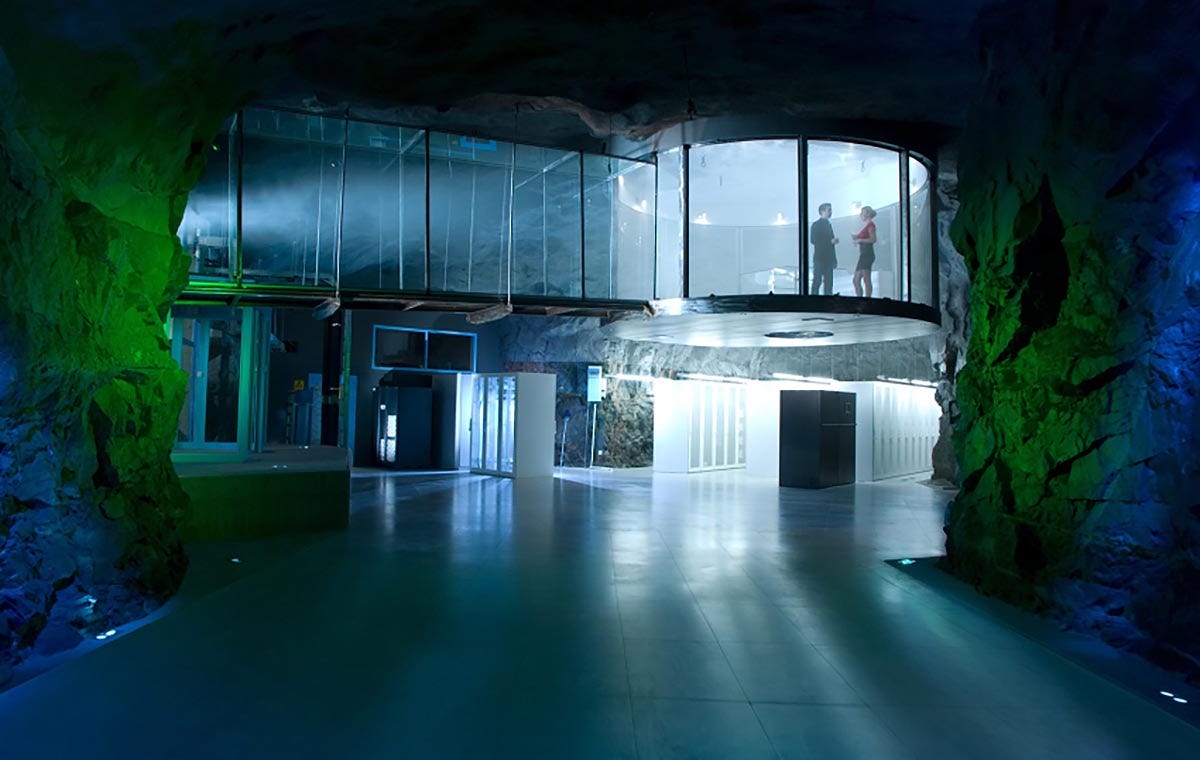
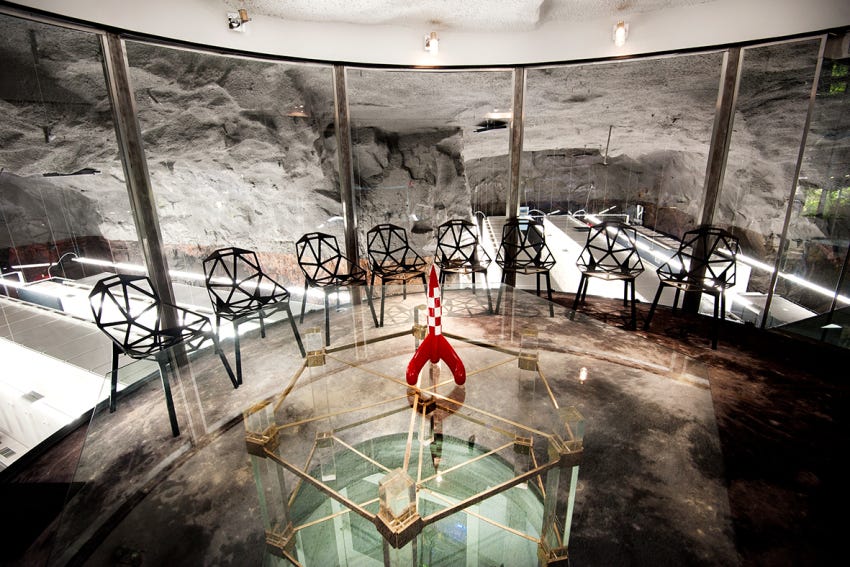
About 100 feet below Stockholm is one of the world’s most extraordinary computing facilities. The Pionen White Mountain data center has been dubbed the “James Bond Villain” data center for its visual design. Bahnhof, the Swedish ISP that operates the site, has included striking visual flourishes, including a glass-enclosed “floating” conference room above the server hall.
Its dramatic interior features soaring glass-and-steel server rooms, cascading waterfalls, simulated daylight, and lush greenery, all carved into solid rock. Backup power is provided by Maybach MTU diesel engines from German submarines.
Beyond the aesthetics, it offers genuine physical security. The site was built in 1943 as a civil defense bunker. It has notably hosted high-profile clients, including WikiLeaks. The facility remains a benchmark for bold, resilient, and visually stunning data center design.
Bahnhof is now building a second underground data fortress. Located beneath the streets of Gothenburg, Sweden, the Bahnhof Bunker is a decommissioned bunker from World War II that’s being repurposed as a secure data center.
Like its Stockholm counterpart, the bunker offers reinforced concrete walls and deep underground protection.
“Bahnhof Bunker is more than a data center,” says Jon Karlung, CEO of Bahnhof and the visionary creator of both facilities. “It is a bastion of digital freedom, security and resilience, standing firm even if the worst happens.”
Iron Mountain’s Underground Campus
The best-known underground facility in North America is the Iron Mountain facility in Boyers, Pennsylvania, which includes the WPA-1 data center as well as a huge storage facility for documents and media.
The Boyers site operated as an active limestone mine from 1902 into the early 1950s, part of a vast network of limestone deposits in western Pennsylvania. Iron Mountain, the records and information management company, developed the site into one of the largest underground storage facilities in the world.
The facility’s constant temperature range of 53F to 55F and controlled humidity make it ideal for preserving sensitive materials that would degrade in standard environments. Access is tightly controlled, with the site reachable only through a single entrance road.
