

Microsoft Shares Data Center Campus Power and Water Usage
Hyperscaler Cites Need for Transparency on the Community Impact of its Resource Usage

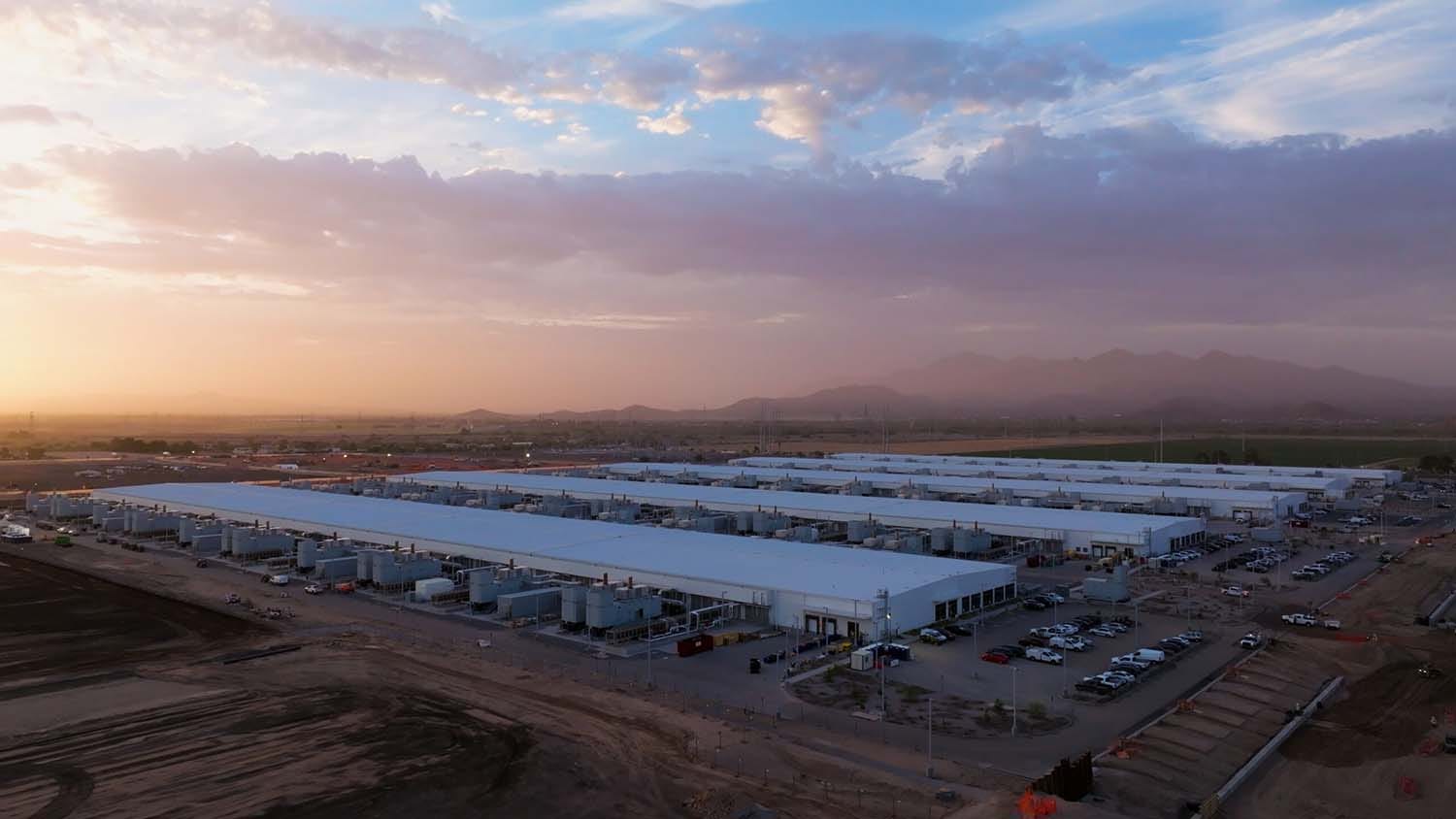
In a meaningful step towards better transparency, Microsoft has shared details on energy and water usage at each of its data center campus locations. The site-level data was included in the company’s 2026 Environmental Sustainability Report, which was released Thursday.
The report identifies which campuses are using the most power and water, and also provides data on Microsoft’s use of non-potable water and replenishment programs.
The disclosures are a response to community concerns about industry secrecy around data center energy and water usage, which has been a flashpoint in local pushback against AI infrastructure development. Microsoft said the data offers “a deeper understanding of how digital infrastructure interacts with local energy and water systems.”
This follows Microsoft’s recent decision to end the use of non-disclosure agreements in site development, a practice that has long been a trust-killer in community relations.
Taken together, the steps suggest Microsoft is willing to reconsider long-held business practices to improve its chances of delivering data center capacity.
The report highlighted the challenges of meeting sustainability goals during a rapid expansion of global infrastructure. Microsoft’s 2025 emissions were 25% higher than a year earlier, which the company attributed to its data center expansion and a decision to stop buying renewable energy certificates (RECs) to offset its emissions.
Power Usage by Campus
Hyperscale companies regularly disclose their overall data center energy usage and efficiency, including Power Usage Effectiveness (PUE), a leading metric for energy efficiency. But the companies have long asserted that site-level power usage was a trade secret, and disclosing it could impact their competitive position.
What’s also true is that data centers, by their nature, use huge amounts of power and water, reflecting the growing role of technology in all our lives.
The growth of the digital economy has concentrated enormous amounts of business processes in data centers, with users generating more data over time as adoption grows. Online services have become an essential part of everyday work and entertainment, including email, online banking, remote work, Netflix, YouTube, telehealth - all of which are powered by data center infrastructure.
Shifting all this activity in data centers has enabled faster and more efficient delivery of services, like the digital delivery of books, movies and music. Nonetheless, the volume of focused resource usage is significant, which has almost certainly been a factor in efforts to limit disclosures.
This is the first time I can remember seeing a campus-level disclosure of power usage, so there’s lots of interesting data.
Let’s dive into the trends from the Microsoft report:
