

How Visual Intelligence is Streamlining Data Center Construction
Video and Drone Footage Creates 'Reality Capture' For Remote Project Management

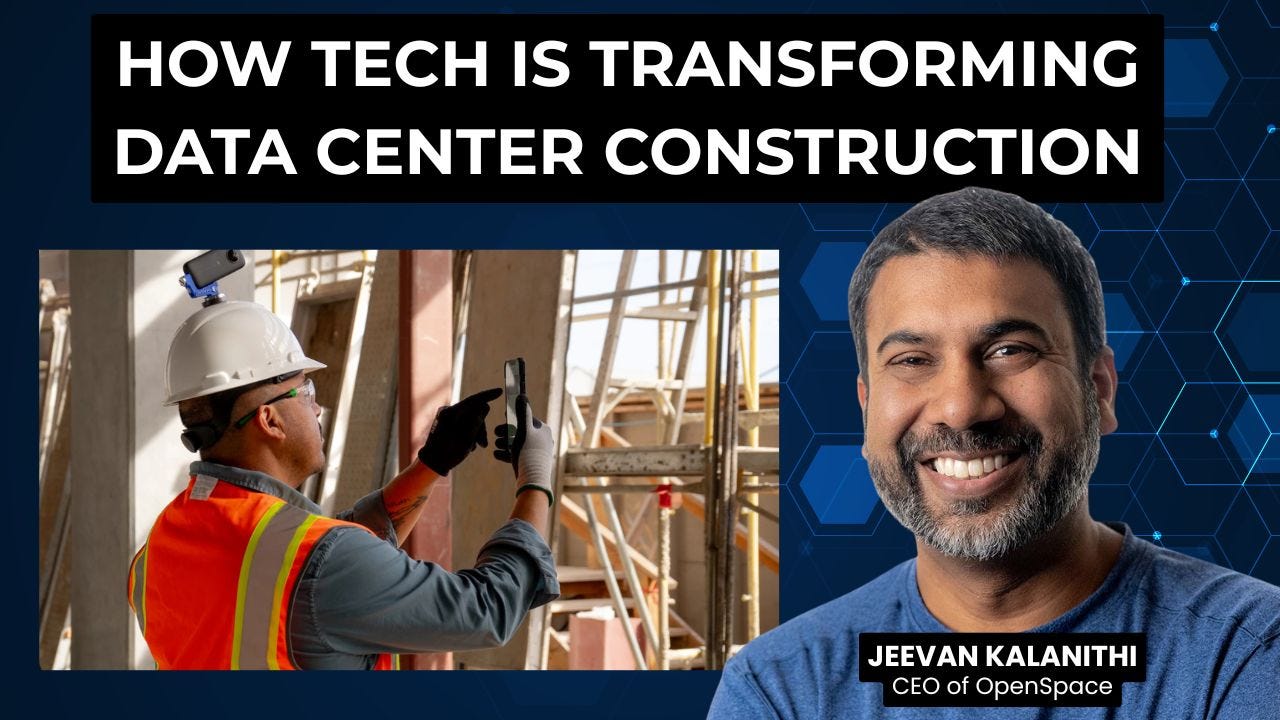
With all these new builds to meet AI demand, how does the industry track construction progress?
For more than 1,000 data center projects, the answer is OpenSpace, a technology company that provides visual intelligence on construction job sites. Its "reality capture" platform uses 360-degree cameras, smartphones and drones to create a digital record of the project that can be updated in real time, giving owners, general contractors, and subcontractors a shared visual record of these massive sites, updated continuously as work progresses.
OpenSpace CEO Jeevan Kalanithi joins me on the podcast for a fascinating discussion about his company’s platform and the role of technology in construction.
Here’s my conversation with Jeevan Kalanithi:
This Data Center Download provides key insights from the Data Center Richness podcast with Jeevan Kalanithi of OpenSpace, which explores how cutting-edge computer vision, drones, and AI agents are transforming massive construction sites into transparent, fact-driven environments that accelerate project delivery.
📌 Key Takeaways
Eliminate Project Delays: Use 360-degree cameras and drones to create a high-frequency digital twin, reducing the financial risks of late delivery.
Solve Labor Shortages: Allow remote, highly skilled professionals to “warp into” multiple global sites simultaneously to train and guide less-experienced field workers.
Lower Insurance and Rework Costs: Establish an indisputable, time-travel-enabled visual record that OpenSpace says can cut insurance claims by 41% and fast-track contractor payments.
Deploy AI Agents in the Field: Leverage computer vision-trained AI agents to automate time-consuming administrative reporting and safety evaluations directly on-site.
Scaling Construction with Visual Intelligence
The physical scale and rapid timeline of modern data center campuses make traditional pen-and-paper tracking obsolete. When documentation relies on subjective reports, coordination meetings frequently devolve into arguments over a project’s actual status.
From “Fog of War” to a Shared Fact Set
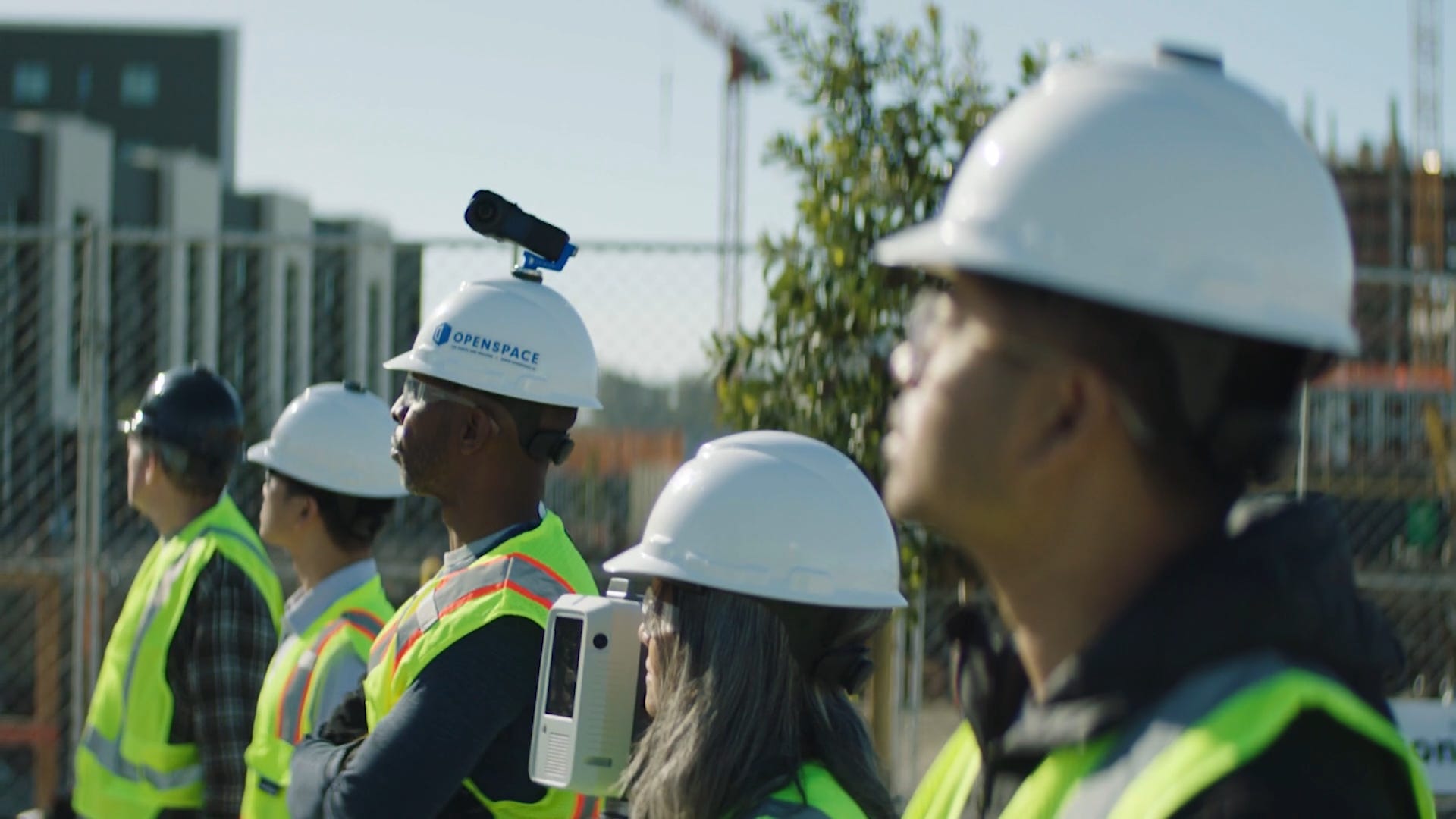
OpenSpace solves this friction by converting passive video capture into a 100% complete, Google Street View-style record of a job site. By mounting a consumer 360-degree camera to a hard hat during a standard site walk, project engineers automatically generate a comprehensive digital record. This approach replaces human error and guesswork with objective reality, allowing general contractors, owners, and tradespeople to collaborate using identical data.
The High-Frequency Digital Twin
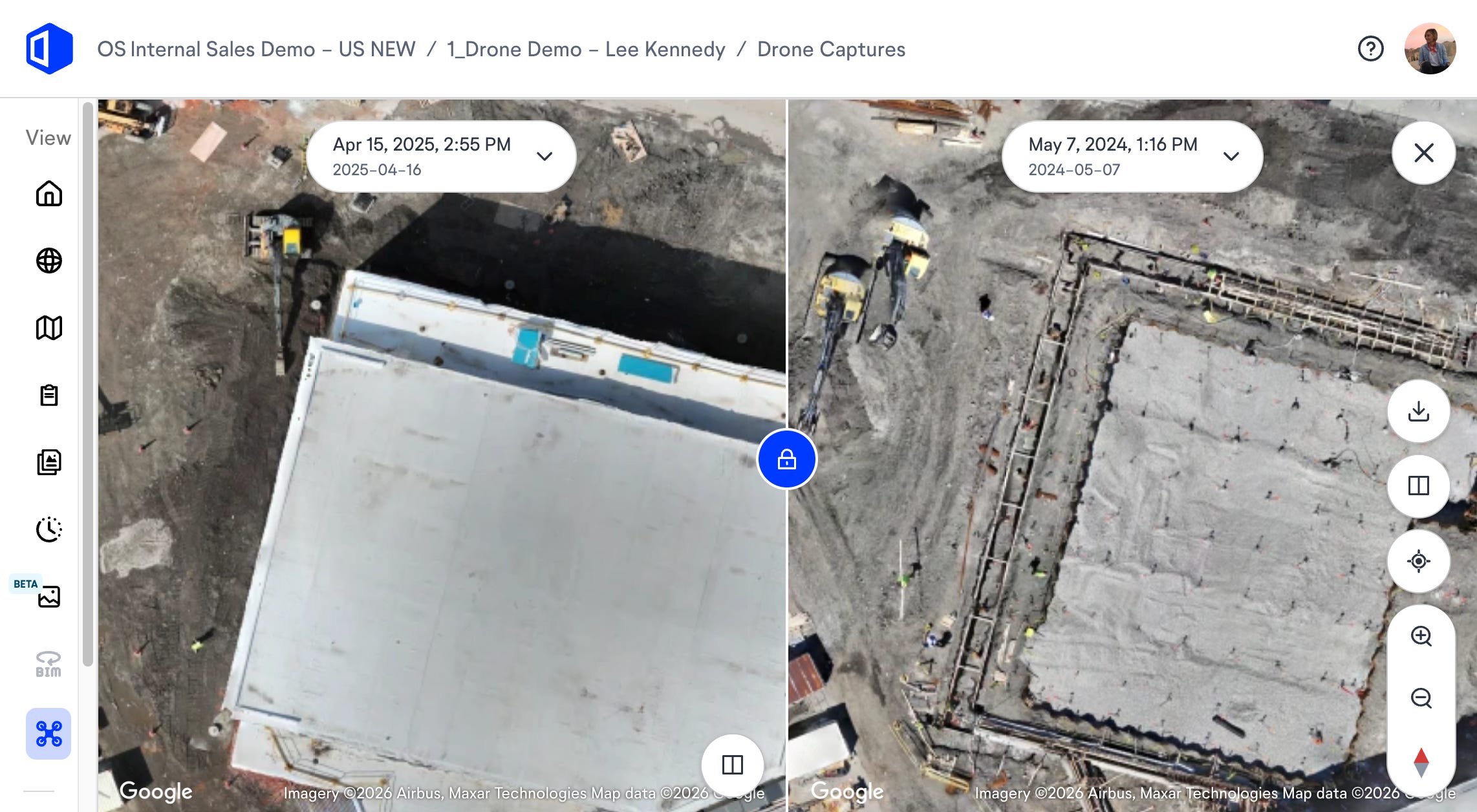
Unlike heavy 3D BIM models that outline what should be built, this technology creates a high-frequency digital twin showing what is actually there. Users can virtually “rewind time” to look behind drywall or inspect foundational elements poured weeks prior. The system processes these massive visual uploads using standard cloud GPUs, delivering a navigable site walkthrough within an average of 10 minutes.
💡 Key Insight: People believe their own version of reality when they lack facts. Introducing an indisputable visual record shifts the culture of a construction site from defensive conflict to rapid, rational collaboration.
Navigating the AI Construction Boom
The explosive growth of GPU-accelerated computing requires data centers to come online faster than ever before, compounding existing supply chain and labor shortages.
Overcoming Talent Scarcity through Virtual Collaboration
With skilled trades and senior superintendents in short supply, companies can no longer afford to fly experts to every location. Visual intelligence software allows senior professionals to audit multiple international projects remotely without leaving their desks. Furthermore, because younger field workers are naturally visual learners, teams are actively using these historical 360-degree captures as on-site training aids to rapidly upskill new electricians and mechanics.
Streamlining Earthworks and Early-Phase Civil Engineering
Data centers function less like standard commercial buildings and more like self-contained micro-cities with dedicated power generation. Because the early earthworks and heavy-civil phases are incredibly complex, errors at the foundation level can derail an entire multi-million dollar timeline. Integrating aerial drone data early into OpenSpace ensures that non-co-located stakeholders can catch grading and structural deviations before concrete is poured.
De-risking Projects and Construction Capital
Beyond daily site operations, capturing structured reality data completely transforms the financial and legal landscape of massive buildouts.
Quantifiable Risk Reduction and Insurance Premiums
Transparency directly correlates to lower financial liability. A recent independent insurance study revealed that utilizing OpenSpace reduces project insurance claims by 41%. In fact, tech-forward insurance underwriters like Shepherd now offer direct premium discounts to builders who mandate visual intelligence tracking on their jobs.
Frictionless Payments and Optimized Cash Flow
Traditional construction suffers from restricted cash flow because subcontractors must wait for manual site inspections before their invoices are approved. By pairing reality capture with OpenSpace technology, program managers receive automated, visual-verified metrics showing the exact percent-complete status broken down by trade.
Example: If a subcontractor claims their electrical rough-ins are 80% complete, the automated analytics verify the physical reality against the schedule, allowing payments to safely flow in days rather than weeks.
The Horizon: AI Agents and Smart Hardware
Kalanithi says the future of construction technology lies in freeing skilled tradespeople from “administrative BS” so they can focus on building.
Bringing Eyes to Agentic AI
While modern AI agents excel at managing office workflows like emails and spreadsheets, builders require systems that understand physical reality. The next generation of construction tech blends foundational large language models with specialized visual intelligence.
This allows AI agents to have “eyes” on the job site—enabling them to automatically write daily logs, flag safety violations, or generate request for information (RFI) reports based purely on site walk data.
Next-Generation Field Interface
Rather than interacting with software through a desktop computer in a trailer, superintendents will increasingly leverage conversational and wearable tech. Field workers can already use mobile devices to log issues hands-free via voice commands, with the software using indoor positioning algorithms to map the issue without GPS.
Moving forward, the integration of smart glasses will allow workers to walk a site and seamlessly cross-reference real-world progress against digital plans in real time.
Taking Action
Explore Visual Intelligence: The OpenSpace web site offers platform demonstrations to evaluate how reality capture fits your active pipelines.
Audit Project Risk: Review your current timeline delay liabilities and check with insurance providers like Shepherd regarding premium discounts for digital twin tracking.
This text companion accompanies the video How Builders See Everything With Reality Capture featuring Jeevan Kalanithi, CEO of OpenSpace. Watch on our YouTube channel for the full conversation and additional context.
Additional Learning Resources
For more insights on data center construction check out our Data Center Download with Doug Mouton or watch the full podcast on YouTube: