

Tapping Smart Homes to Power Data Centers
Tesla, Sunrun and Renew Home Offer up to 16 GWs Of Capacity for AI-Strained Grids

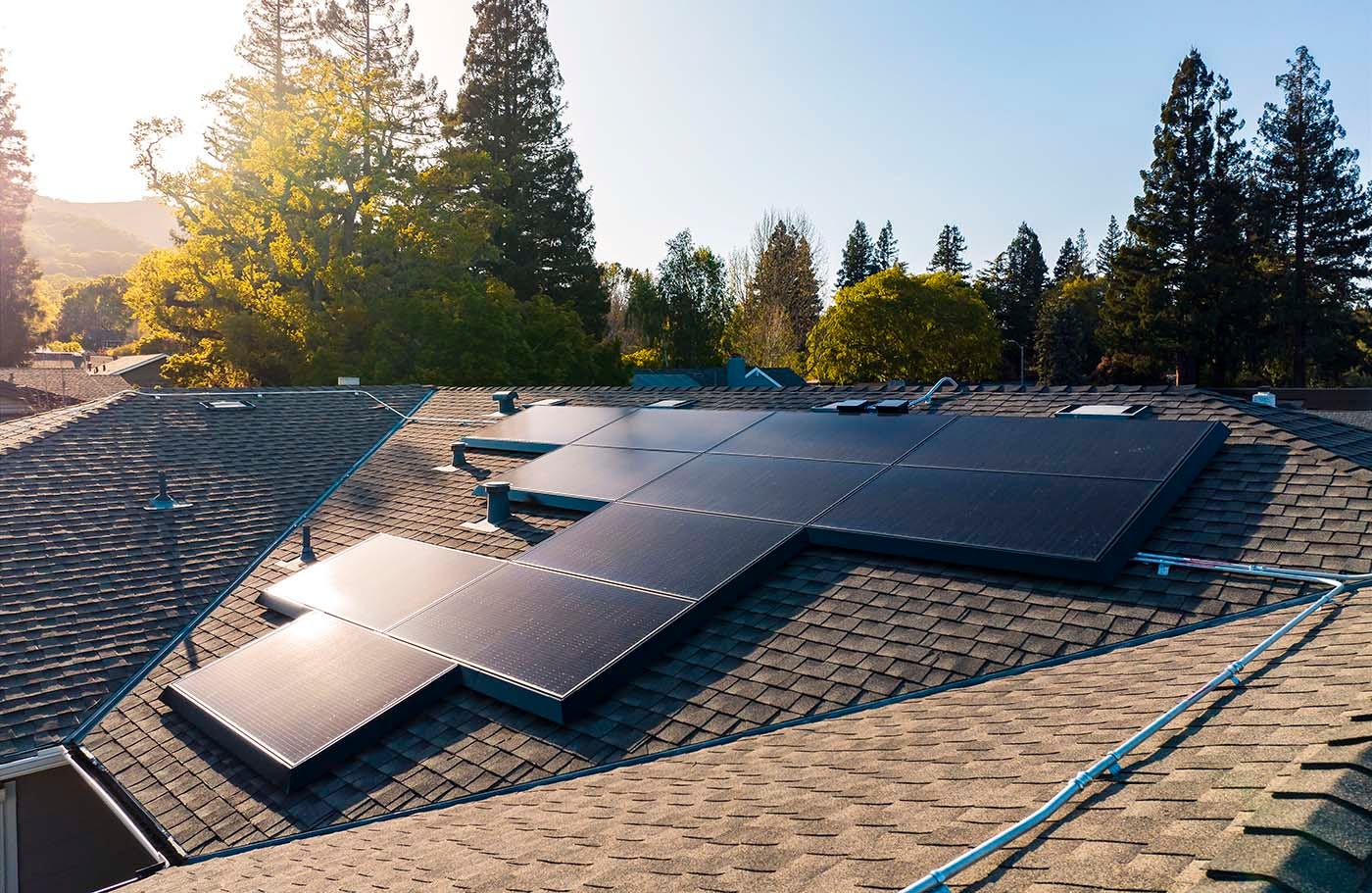
Three of the largest names in home energy say they will pool more than 16 gigawatts of capacity from household batteries, solar panels, and smart thermostats to help feed the data center boom, an arrangement that could ease the grid strain now pushing up electricity bills across much of the country.
The agreement among Sunrun, Renew Home, and Tesla treats millions of devices already installed in American homes as a single, dispatchable power resource. Rather than building new plants or stringing new transmission lines, the companies say they can create room on the existing grid in months rather than years, giving operators of large AI computing campuses a faster path to power while shielding ordinary ratepayers from the cost of new infrastructure.
“The grid of the 1800s cannot power the innovation of 2026,” said Sunrun CEO Mary Powell. “When data centers are asked to throttle down operations during the most expensive and stressful hours of the day, we can activate our distributed power plants to help provide them the power they need while also protecting American families from footing the bill for costly new infrastructure.”
Investors welcomed the announcement as shares of Sunrun soared nearly 30 percent in early trading on the Nasdaq market before closing the day at $14.42 per share, up 12.5 percent.
Tapping The Potential of Distributed Energy
Today’s announcement reflects one of our key themes at Data Center Richness: making the most of existing grid assets.
Earlier this month, Google signed a 100-megawatt “bring your own capacity” deal with virtual power plant specialist Voltus on the PJM grid, the first such agreement by a hyperscale data center operator. Voltus is also working with data center developer Cloverleaf Infrastructure on a similar program.
The new framework from Sunrun, Tesla and Renew Home is far larger in scope but runs on the same logic. It is being described as “capacity-as-a-solution,” rather than an actual virtual power plant (VPP), and is framed as a way to tap a nationwide pool of distributed energy resources (DERs) to create regional VPPs in areas where grids need more capacity for data centers.
The group outlined the potential energy unlock across the country:
